
Today we continued our second-quarter focus on communication by shifting our attention from non-verbal communication to active listening. We went over three basic steps to active listening:
- Focus your attention on the speaker
- Confirm what you are hearing
- Respond to the speaker
We also went over details for those points, as illustrated on this presentation and this handout. Students will later uses this handout and presentation as a model for their own work during their coming project.
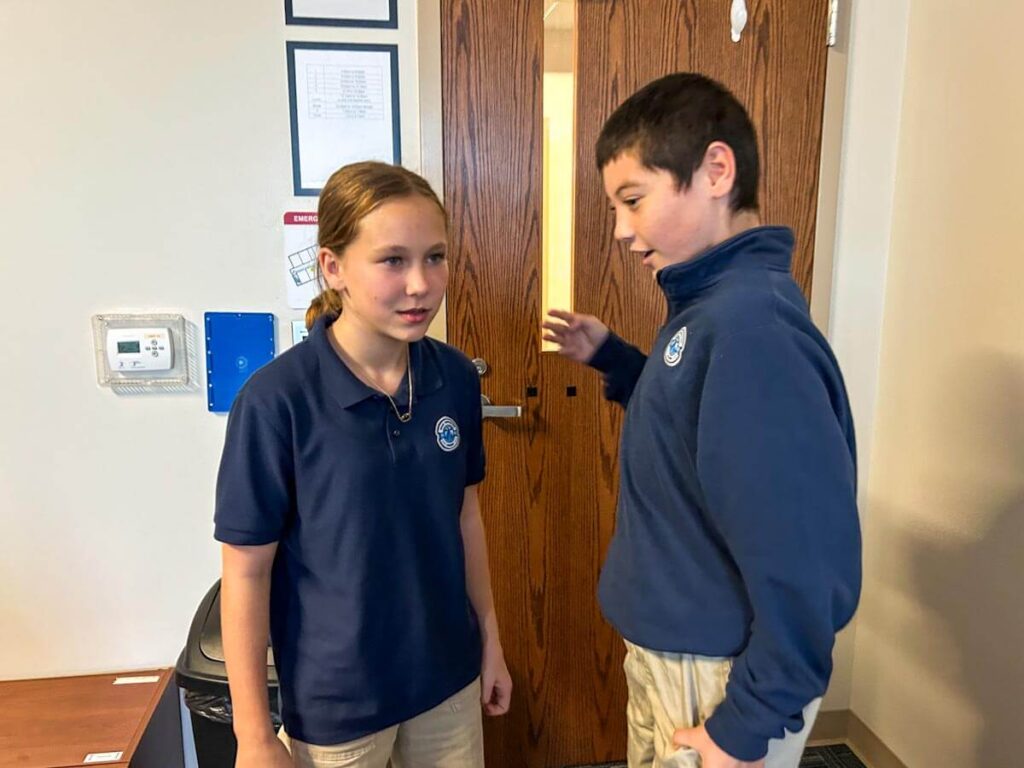
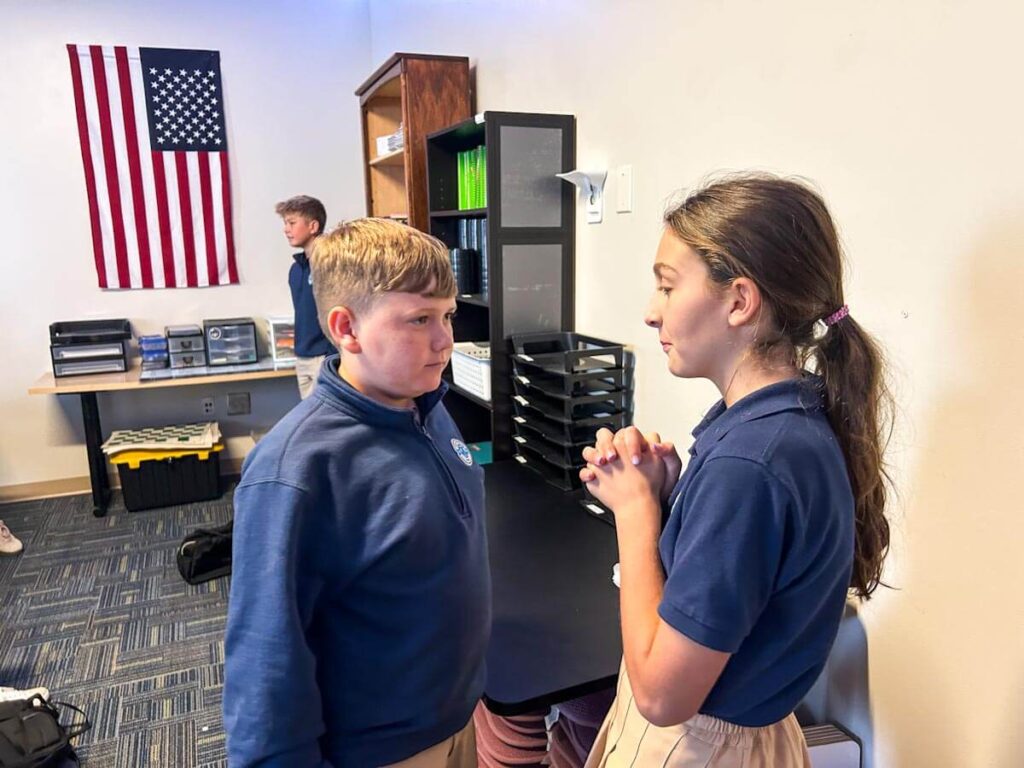
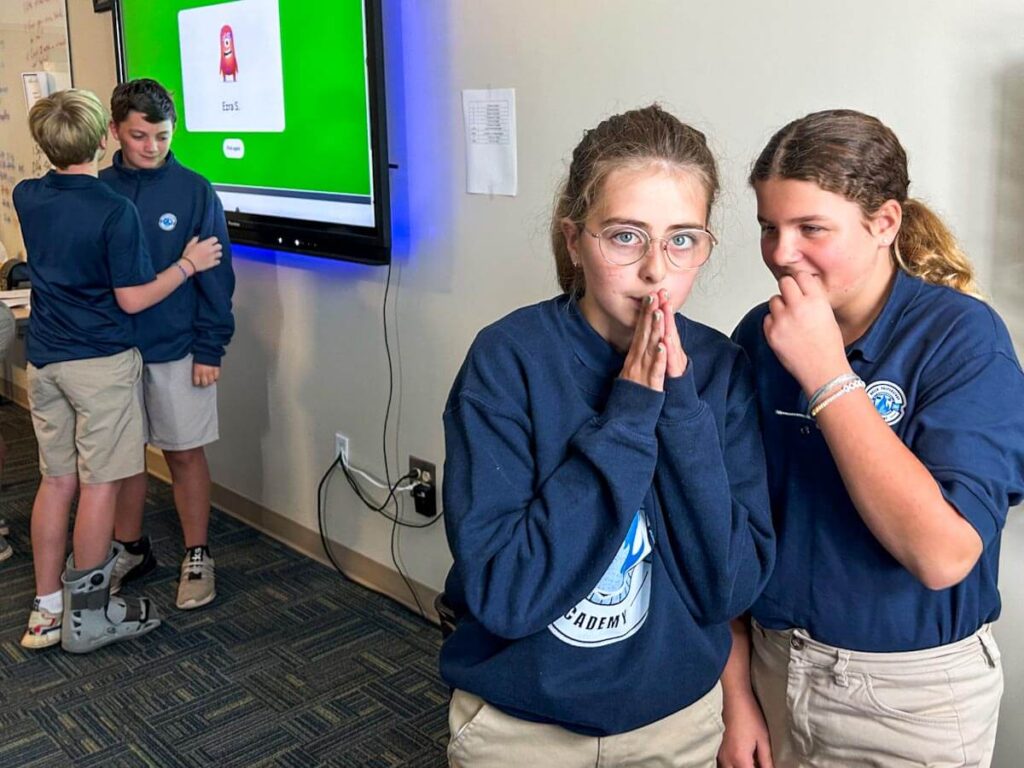
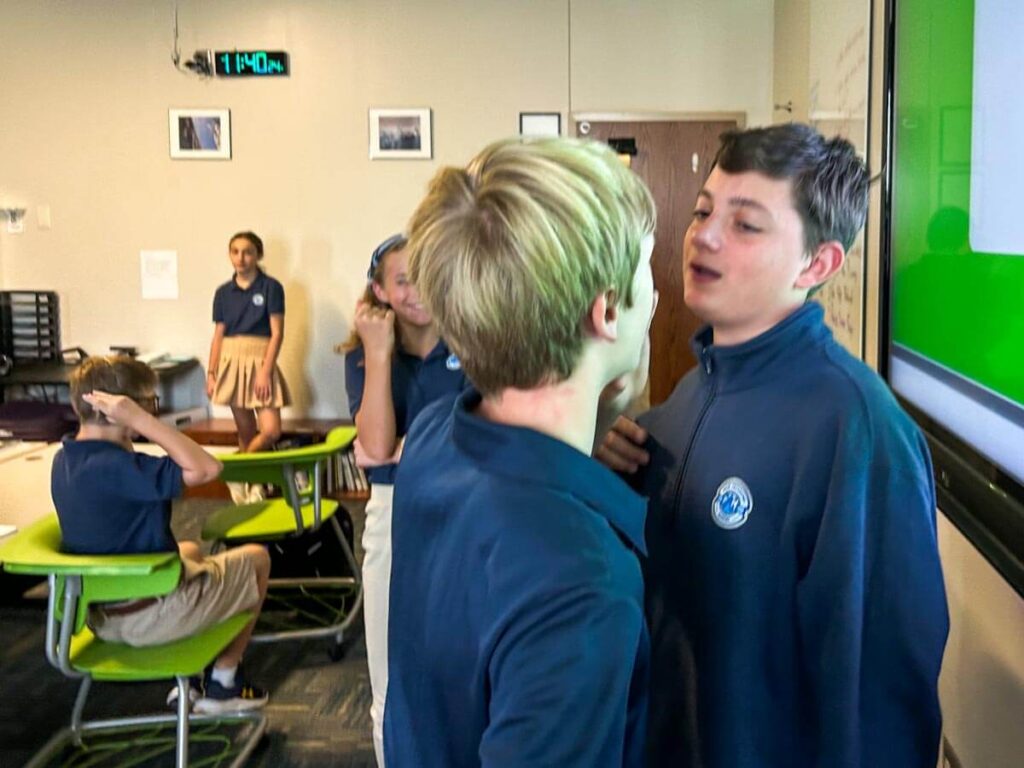

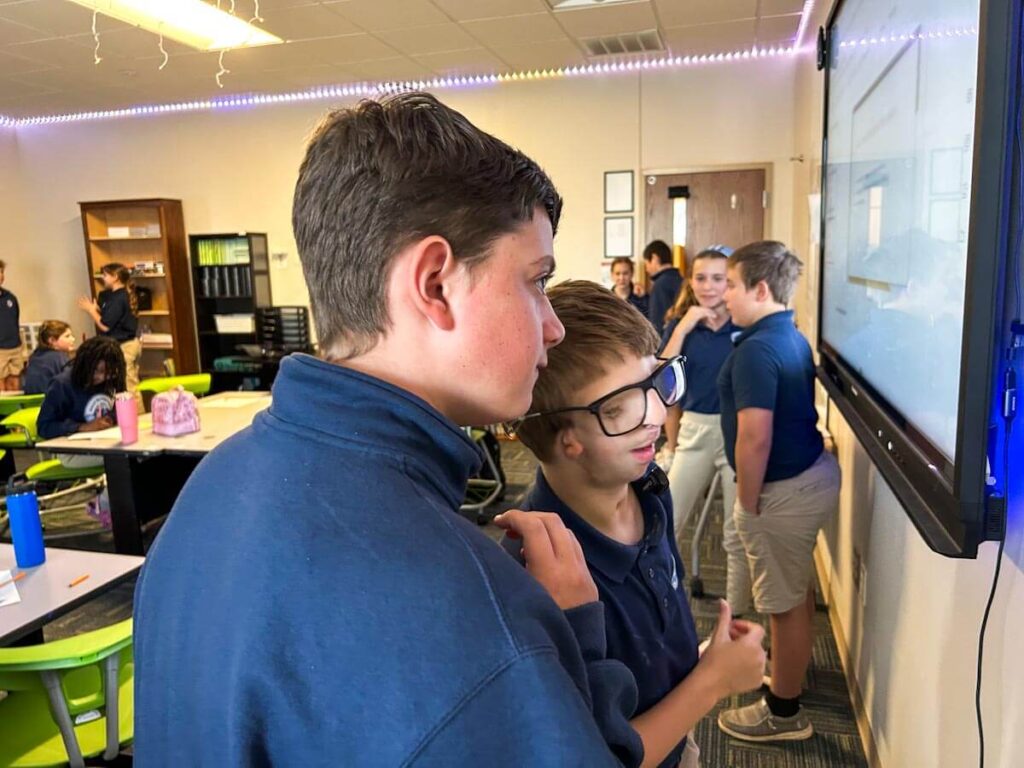
To illustrate the importance of active listening, we did a before-and-after variant of the Telephone Game, first with this prompt,
If you see Missy, tell her to pick up the two poodles and the cocker spaniel as she usually does after school. But today, she must also pick up a shepherd named Sam, four terriers all named Joanne, and a Great Dane named Tiny.
and then with this prompt.
There are 15 passengers on a bus that is heading downtown. At the first stop, four people get off—two women and one man with a baby. At the next stop, four children get off the bus and two men get on. Everyone rides the rest of the way together.
Students saw it was easier to pass on information with which they'd used active listening (though it was still hard to pass that information accurately all the way to the end of the group).
0 Comments