
Overview
What is a leader?
A leader is someone who sets a good example and is able to make decisions. A good example is someone who is logical, compassionate, respectful, and represents himself/herself and others. A leader is self-sacrificing for their team and not selfish. A leader encourages others and makes good goals set to not to be hard but not to be easy. Communication is a key to a good leader. A good leader should take initiative. Leaders are wise. Leaders are kind and helpful. A leader shows courage.
This definition was the result of collaboration among all 150 inaugural GPA Leadership students. We will revisit this as we move through the year.
Recent Events in Leadership Class
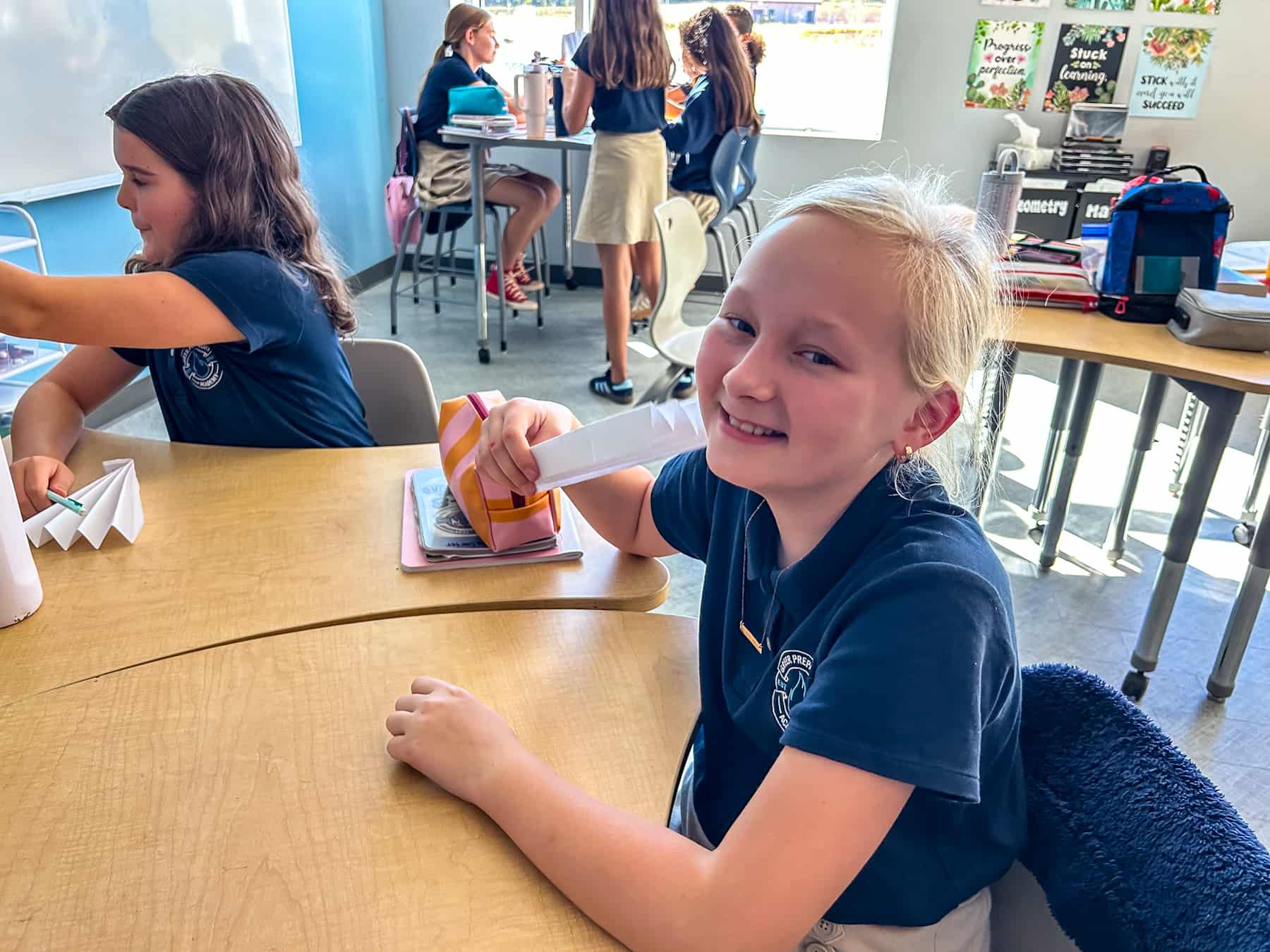
Teaching Prep 2
Students will be doing their first major presentations (which will ultimately go into Power School as "Student Time Management Mini-Lessons") later this week or early next week, providing details for our time management lesson a couple of weeks ago. First-block...
Blog

Babia Gora
Babia Gora (Lady's Mountain) is in the south of Poland, just at the border with Slovakia. in fact, a third of Babia is in Slovakia (where's know as the very similar "Babia Hora"). In the late autumn, the first snow falls on its summit, and it remains snow-capped for...
What we do
The Skills
Executive Functioning
Executive functioning refers to a set of cognitive processes that help individuals plan, organize, manage time, make decisions, and control impulses. These functions are essential for goal-setting, problem-solving, and adapting to new situations.
Communication
We will learn to expressing ourselves clearly and understand others effectively. Our focus will include active listening, body language, tone of voice, clarity, and empathy. Good communication is essential in personal relationships, education, and the workplace.
Academic Skills
We will master the abilities necessary to succeed in school: time management, note-taking, studying, and test-taking strategies. These skills help students to process and retain information, understand complex concepts, and apply knowledge effectively.
Character
The set of moral and ethical traits that define a person’s behavior and decision-making, character includes qualities such as honesty, integrity, responsibility, respect, compassion, and perseverance. A strong character guides individuals to do what is right, even when it is difficult.
Critical Thinking
The ability to analyze information objectively and make reasoned judgments involves evaluating evidence, identifying biases, questioning assumptions, and considering multiple perspectives before drawing conclusions.
Career Readiness
The knowledge, skills, and attitudes necessary for success in today’s workforce include not only academic and technical skills but also soft skills like communication, teamwork, problem-solving, adaptability, and professionalism.
Leadership is unlocking people's potential to become better.
Bill Bradley
Upcoming Events
October 12 - Q1 Ends
Your first quarter at GPA will be behind you!
October 15 - Fall Festival
Come for fun and cider. (I don't know there will be cider, but it would make sense...)
October 16 - Teacher Workday
No school for the kiddos! Enjoy!
About
Who Is Mr. Scott?
My experience ranges from working with at-risk youth in a day treatment facility in Asheville to web application development in Boston and from leading conversational English classes in Poland to teaching eighth-grade students in Greenville.