
Bullying Socratic Seminar

Wednesday 30 September 2026

A-Day students had their first formal Socratic Seminar today, finishing up the work we began with the counselors' lessons last week on bullying. Our introductory SS last week was on a playful, even silly topic: pizza toppings. While arguing for superiority of a given pizza topping was fun, and while the added challenge of arguing for a topping most of the group members likely hated (anchovies are not popular among sixth graders), the intent of the introductory exercise was to let students master the protocols of a Socratic Seminar without worrying about a heavy topic.
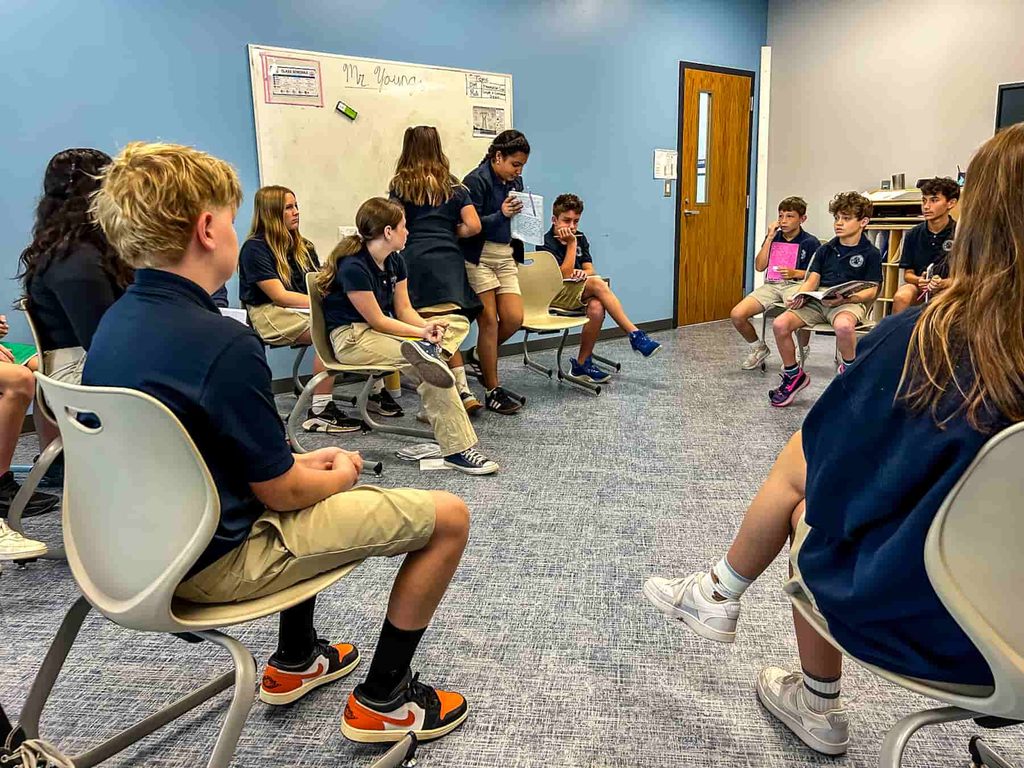
The students' discussions today ranged from the definition of bullying to the proper response to bullying, from why people might bully to scenarios to determine whether or not it's bullying. The discussion never strayed off topic, and even on the one occasion when it looked like a student was taking it off into deep left field, his clarification showed how it was indeed cogent.
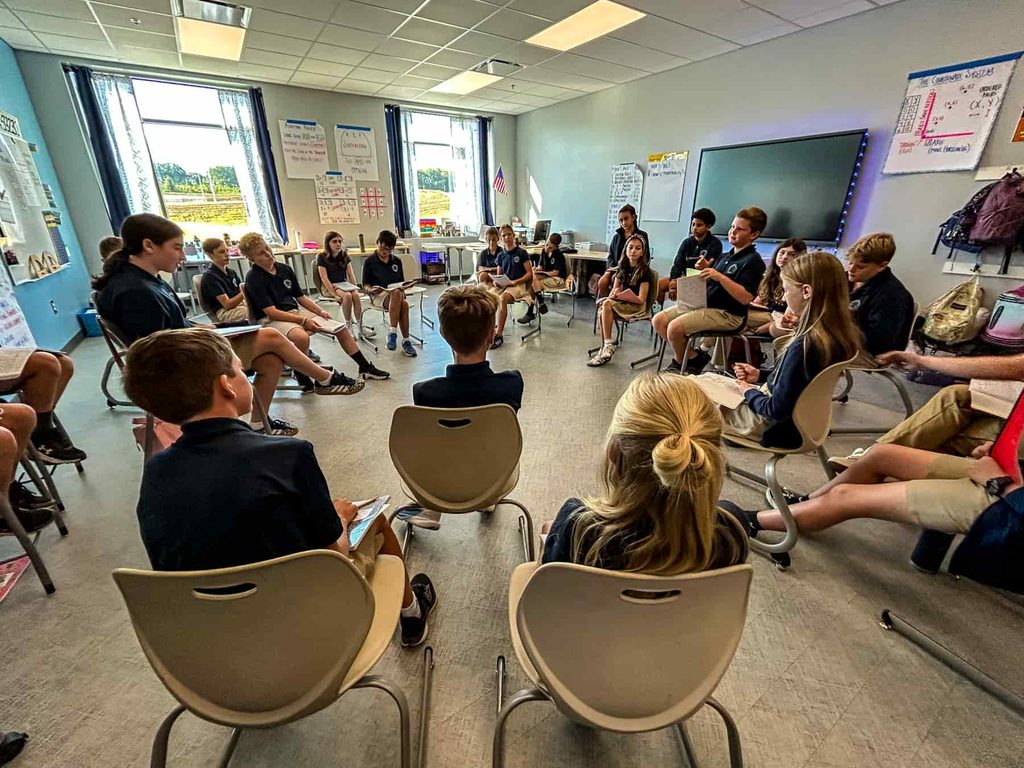
More importantly in some ways was the fact that all students self-regulated and managed a very professional discussion. There was no interrupting; there was no arguing; there was no overly-aggressive verbal exchanges. Instead, it simply looked and sounded like a group of adults having a formal discussion. I joked that a lot of government bodies (congresses, parliaments, etc.) could have taken some lessons from these kids on how to have a calm, civil discussion.
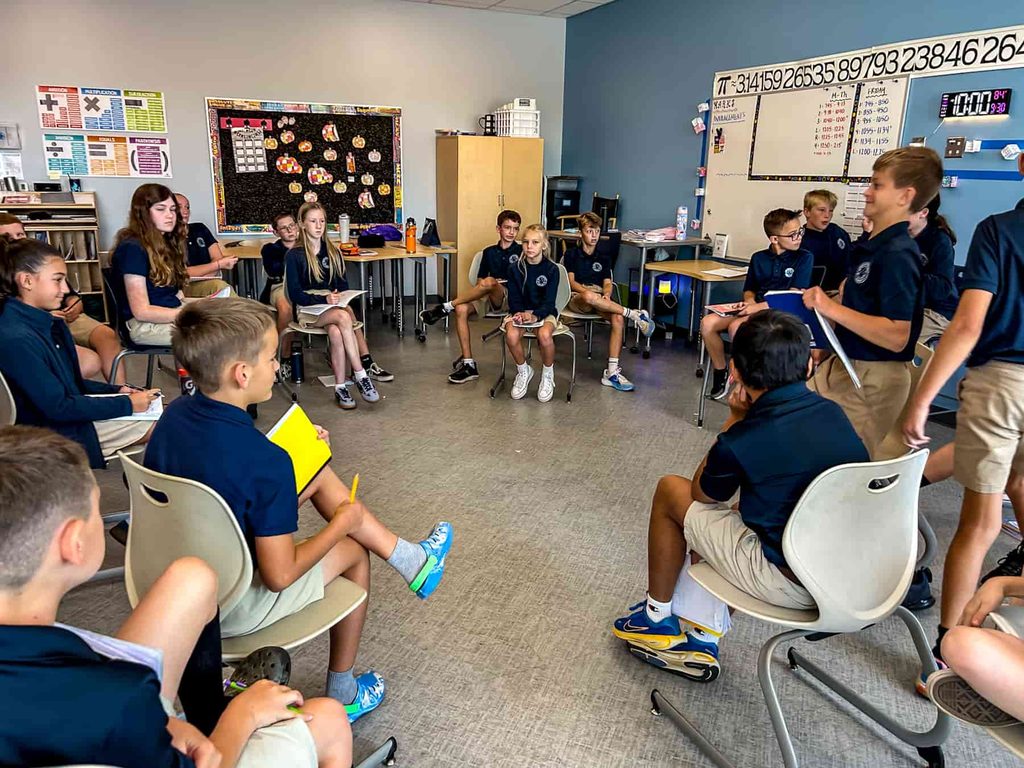
Every single student met the requirements for an A, and all classes today were astonished not only that they'd conducted a discussion lasting half an hour with little to no input from me but also that it seemed to go by so very quickly. The fact that sixth graders sustained a 30-minute academic conversation essentially on their own says a lot about the growth they're already demonstrating.
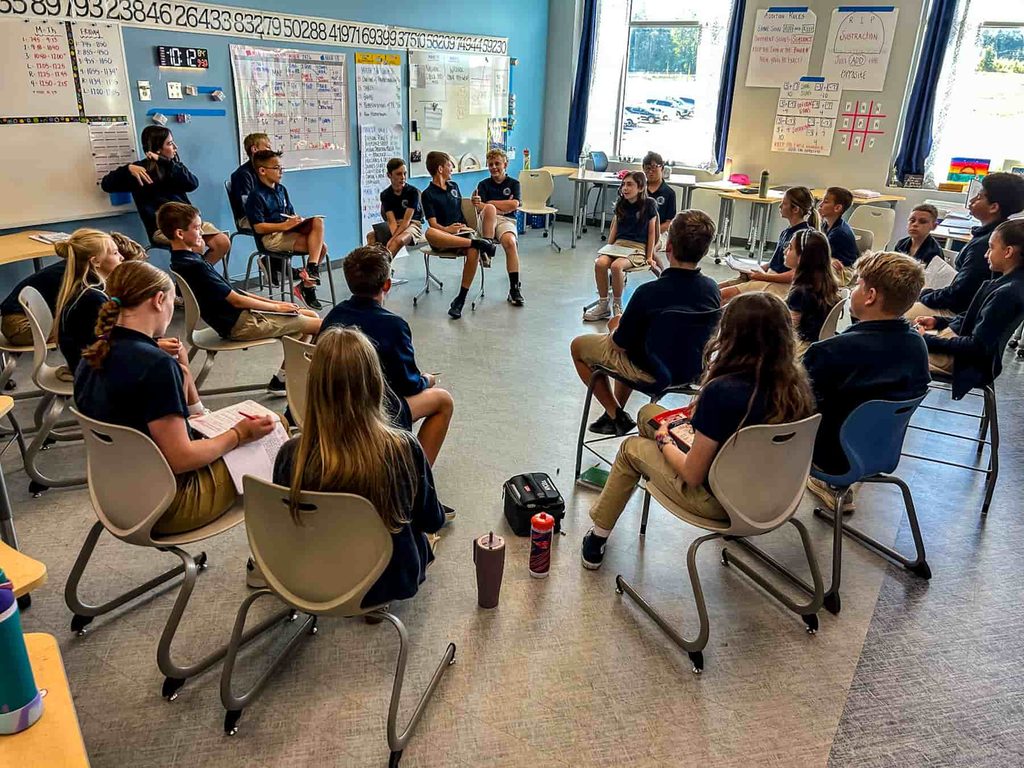
In short, the seminar was successful not merely because students discussed bullying thoughtfully, but because they demonstrated independence, maturity, listening, and civil discourse.

B-Day students will have the same work tomorrow, and I fully expect it to be just as successful.

Today's Journal Prompt

Why do people try to irritate, anger, frustrate, or annoy other people? What motivation drives people to be almost-bullies and/or bullies?

Homework

Agendas are due next week. Students should also review their journal entry from today (as always).

Mr. Scott's Journal Entry

Teasing and poking fun at someone can often be harmless: if everyone is good with the ribbing, few feelings suffer. This is why, when we're making new seating groups in class, I always ask "Who wants to get picked on this time?" I always have a lot of students to choose from to use as an example kid that one might not want to get stuck with. "We all know someone will get stuck with Bob," I begin, "But what is our reaction to being grouped with someone we're not crazy about?" "Nothing!" comes the chorus reply. Yet despite this there are still some moans and complaints about the groupings, though to their credit, the students are almost always complaining because they're with some of the same students they were with in the last seating arrangement. Sometimes, though, the ribbing and joking don't feel like jokes, especially when they're not the product of mutual consent. Yet some people knowingly, even intentionally, cross that line. They do annoying things because they are annoying, and the more we ask such a person to stop, the more likely they are to continue.

That type of mocking, non-consensual ribbing often has less to do with the target of the jokes than the joker: people do that to seem funny and draw attention to themselves. The fact that they seem to steamroll someone else is purely coincidental. They're not making fun of you; they're drawing attention to themselves. When we're the object of such silliness, we likely do better to ignore it or simply smile and agree with them: there's little you can do when someone agrees with you, and it slows or stops the momentum of the encounter immediately.

But what about people who continually harass? What about people who push it into bullying, which would entail the intent to hurt? Why do those people hurt others? The common answer is that they feel small and hurting others makes them feel big. Bullying, after all, definitionally entails a power imbalance, and for someone who's always felt on the light end of that imbalance, the chance become the agent of power might be too tempting to pass up. That's just a reformulation, I guess, of the truism that those abused sometimes become abusers themselves.

0 Comments

Submit a Comment

Your email address will not be published. Required fields are marked *