
Students today continued with their unit on organization by focusing on time -- the one thing we can never get more of. Students first worked on a hypothetical student's scheduling problem:

Sam is 16 years old and wants to run a yard-care service this summer. He has already started by promising to cut lawns on Saturdays for three people in his neighborhood. Sam charges $20.00 to mow a lawn and bag leaves and grass. It takes about an hour and a half for Sam to tend to each yard.
This weekend, Sam has a few other activities to complete. On Saturday night, Sam is going to the movies at 7:00 with two of his friends. He’s also promised to help his father by cleaning his own room and the bathroom, washing the car, and babysitting his little sister for a few hours on Sunday. Sam wants to buy a present for his best friend’s birthday next week. Also, his teacher told him that if he makes some changes on his midterm paper and hands it in on Monday, he can raise his grade from a C to a B.

So much for Sam to do; so little time.
The point of the activity was to show students that Sam could accomplish all his goals in a single weekend, but in order to do so, he must be very careful and plan everything out to almost the minute.
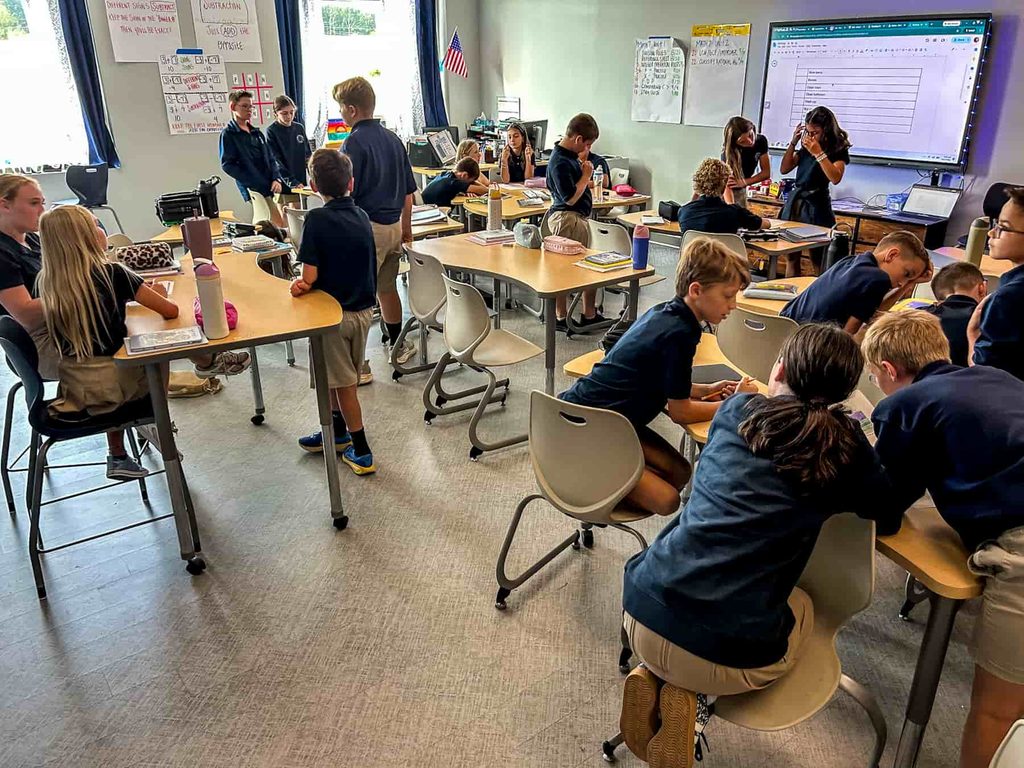
We discussed all the intricacies of the problem that made it seem almost impossible at first to get everything completed in a single weekend. Some things have to happen before others: he can't go buy the present until he has the money for it, so he has to mow the lawns before he can go shopping.

Other things logically follow certain actions: the best time to get the present is just before or after the movie on Saturday night since Sam will likely be in a store-filled area for the movie.

A logical time to wash the car is after he's mowed the lawns because he'll be dirty, and not only will he not mind getting wet but he might also enjoy it.
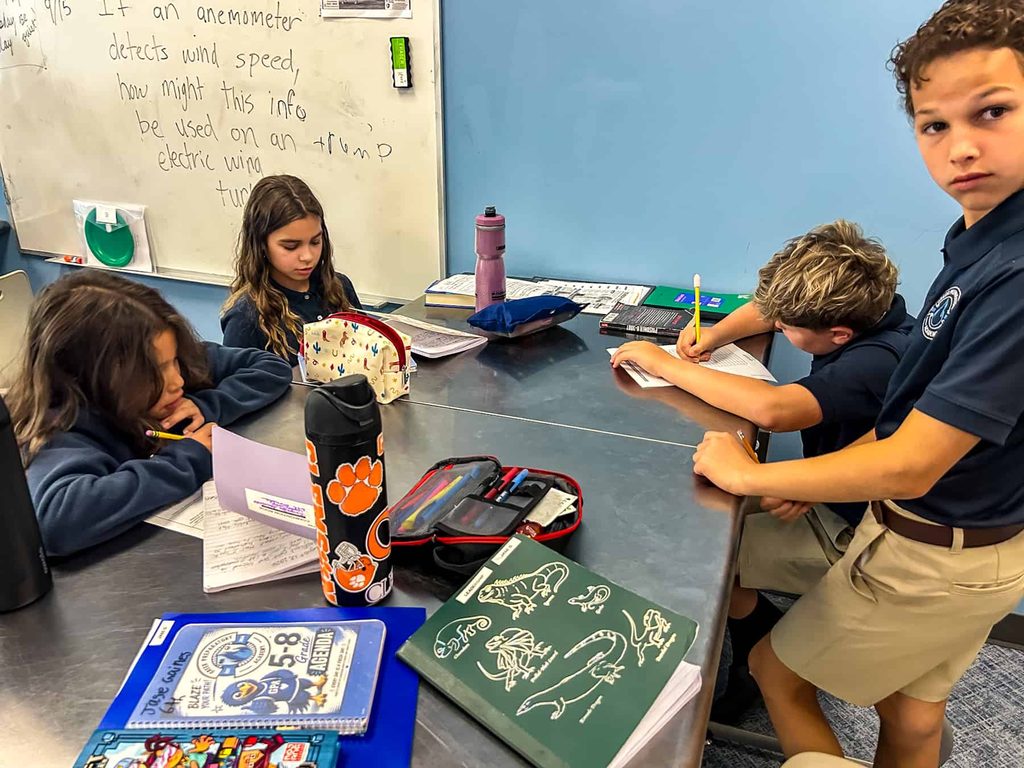
Finally, some things could overlap a bit: he could do the baby-sitting while he works on his paper -- at least a bit.
To conclude the lesson, we began auditing our personal time to see just how much free time we have (as opposed to hypothetical Sam). This will be turned in later and will be listed as "Personal Time Management Audit" in PowerSchool.
We also went over the coming journal submission (Monday for A-day students; Tuesday for B-day students).
0 Comments