
Students today continued working on their problem-solving unit with a text on brain activity during a problem-solving session. The original article is here; students read a graded version leveled to students' reading level (the original was just a touch too challenging for sixth- and seventh-grade students).
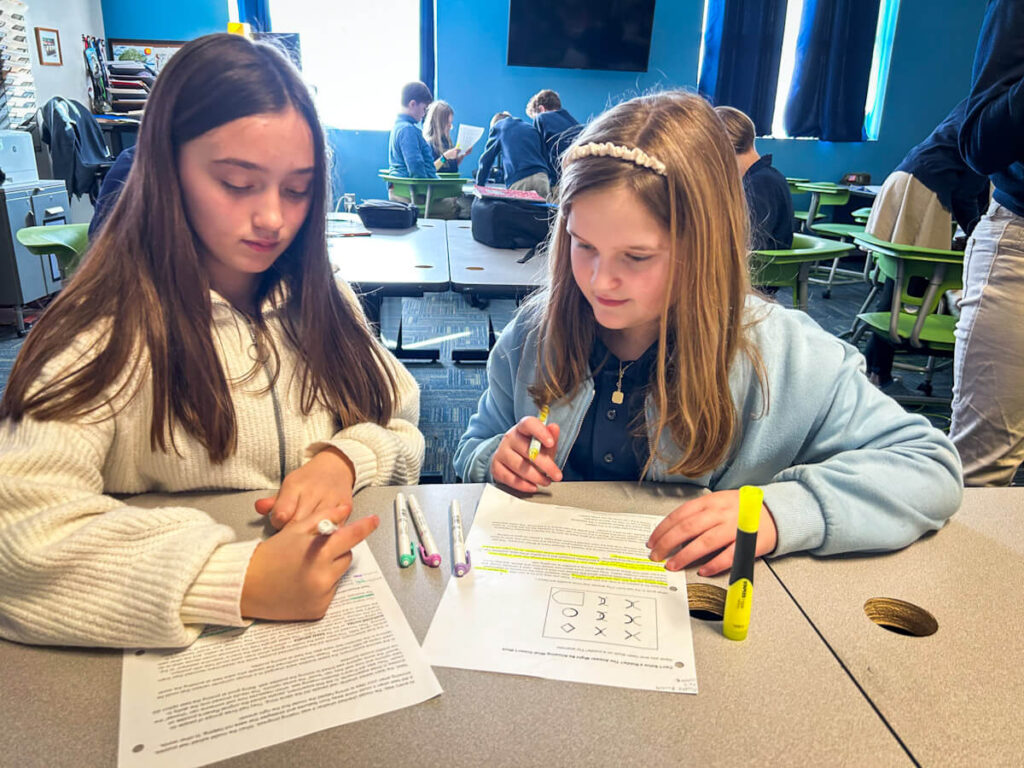
After handing back and going over the Smart Goal work from last week (the first grade for the third quarter), we began by discussing the journal question. Students came up with a number of good answers regarding the brain's activity in our everyday life:

- thinking
- moving
- seeing
- hearing
- regulating heart and lung activity
- storing memories
After establishing the basic functions, students began reading the article about brain activity during problem solving.
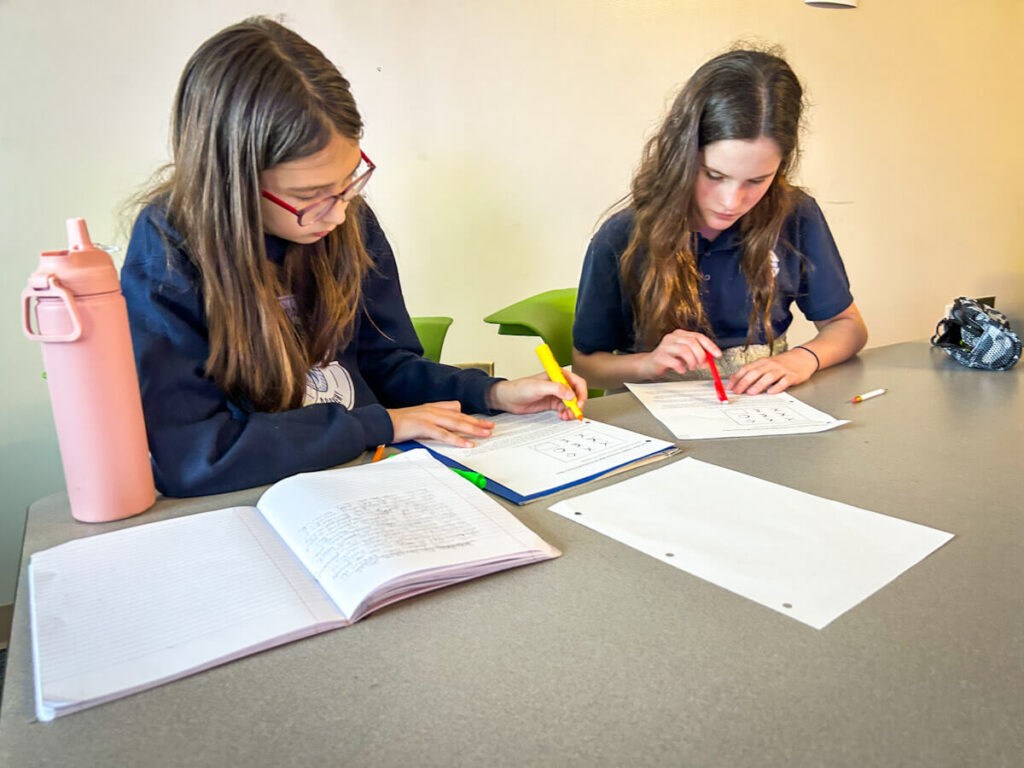
Once we were done reading and took a quick brain break (squirt the bunny!), students paired up with randomly chosen partners to work on the three questions about the text:
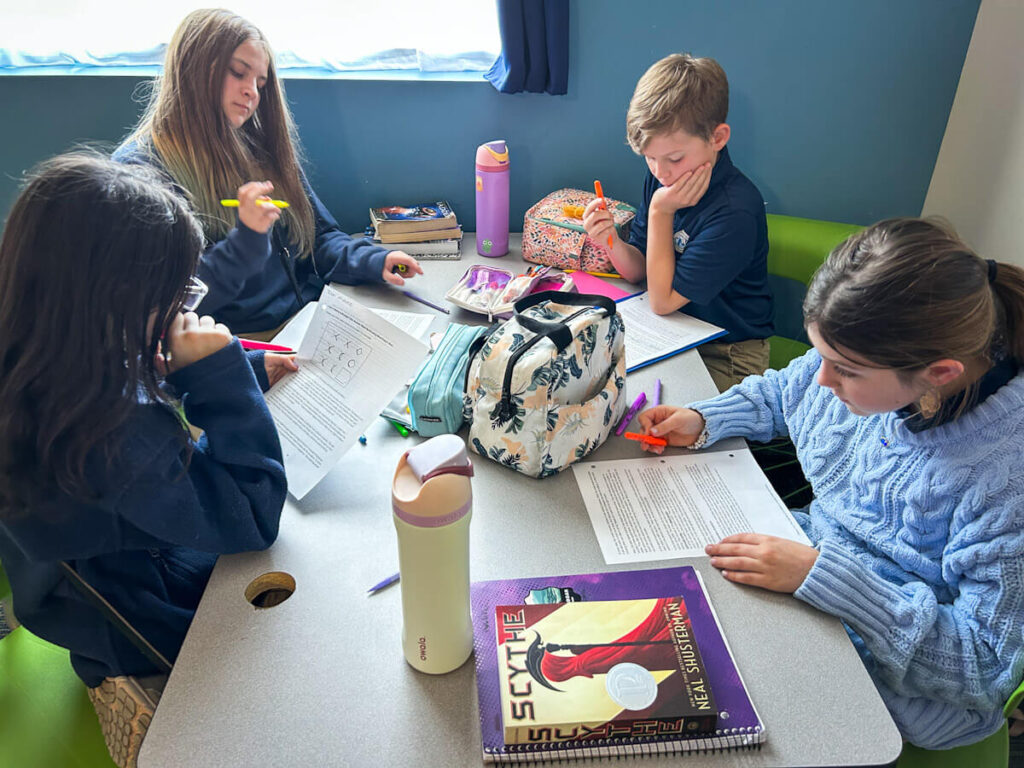
Seventh-grade text questions:
- According to the article, what specific skill did researchers find was most important for solving the Raven’s puzzles, and which evidence from the experiments supports this claim? Be sure to cite the part of the text that explains the experimental results.
- The author uses the phrases “turns the volume ‘up’” and “turns the volume ‘down’” to describe the basal ganglia’s two paths. Based on the text, explain what each phrase means in terms of problem solving and how these two paths relate to Frank’s “choose” and “avoid” behaviors.
- In the sentence “That pause is your brain telling you the old plan isn’t working and you need a new one,” what does the word “pause” mean? Use context clues from the paragraph to explain your answer and show the words or phrases that helped you determine the meaning.
- Based on the context, what can you infer about the basal ganglia and prefrontal cortex?
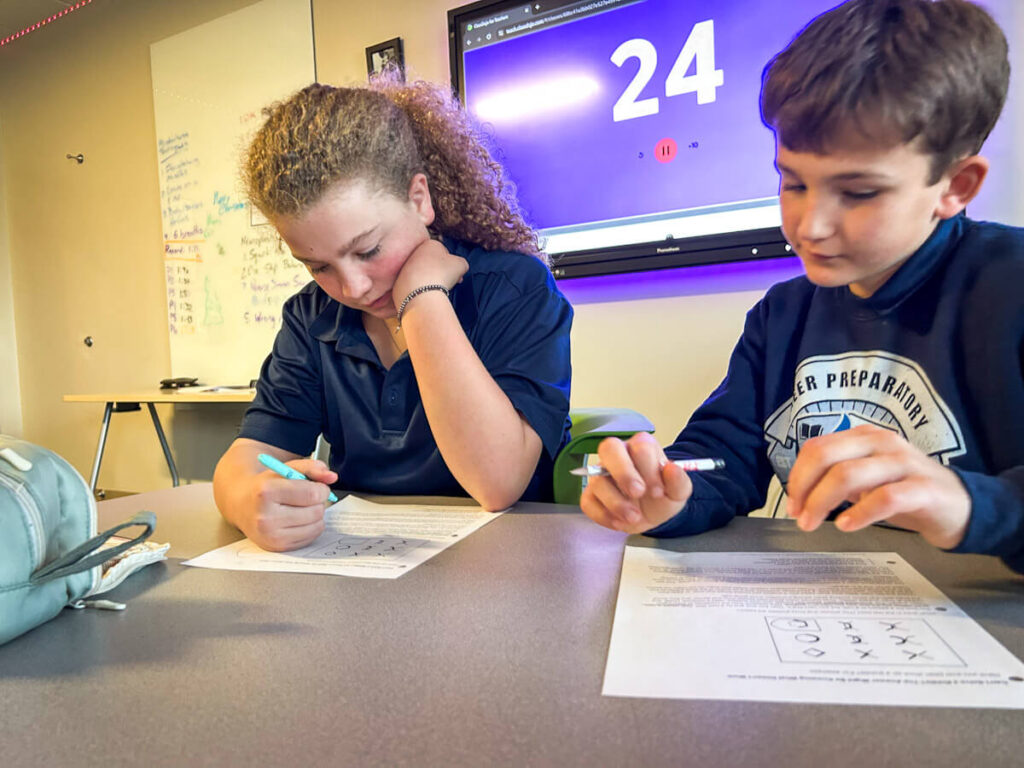
Sixth-grade questions:
- According to the text, what does the pause you take when a strategy isn’t working tell you about how your brain is solving a problem? Use evidence from the passage to support your answer.
- The passage explains two brain processes using the phrases “pushes you toward things that work” and “away from things that don’t.” Based on the article, how do these two processes relate to the results of Frank’s decision-making test? Cite specific parts of the text.
- The word “avoid” is used several times in the article (for example, “avoid the worst options”). Using context clues from the passage, what does “avoid” mean here? Explain your answer and point to at least one sentence that helped you determine the meaning.
- Based on the context, what can you infer about the basal ganglia and prefrontal cortex?
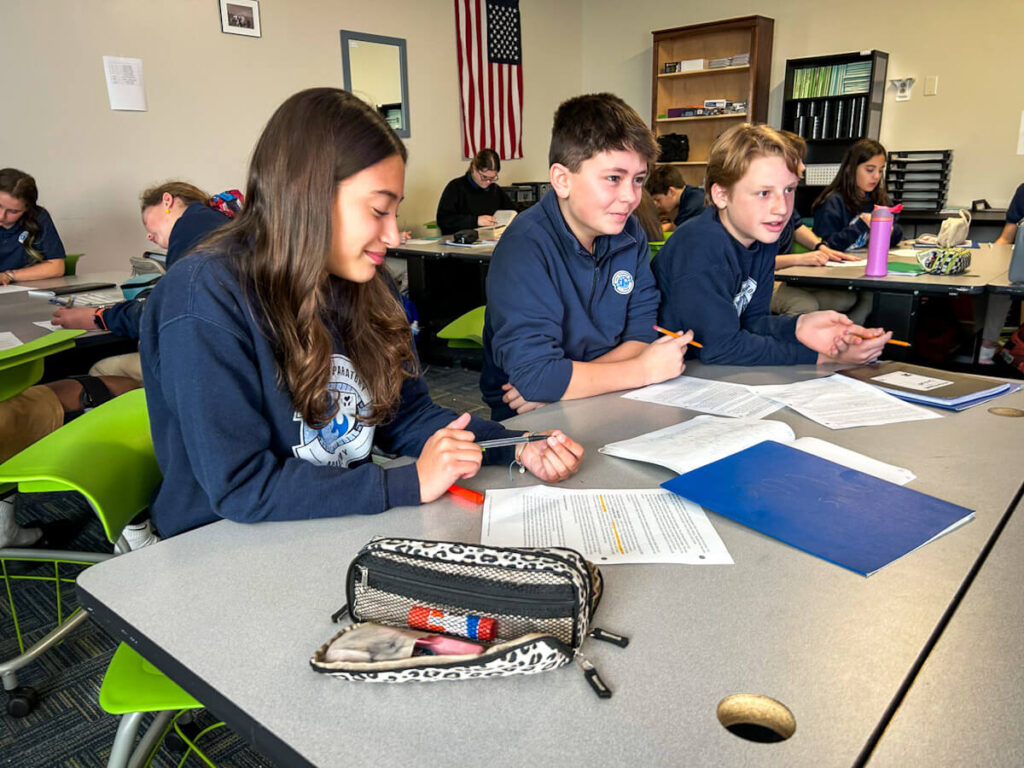
We will go over the questions tomorrow when we return to class, and we will look at just how much information a good reader could infer about the basal ganglia and prefrontal cortex from their in-text mentions. (Quite a bit, actually.)
0 Comments